Selecting the optimal carry-on luggage size is critical for seamless air travel. Oversized bags risk gate-check fees or rejection, while undersized ones compromise packing efficiency. This guide demystifies International Air Transport Association (IATA) standards and explores practical scenarios for popular sizes—16", 18", and policies and travel needs.
Understanding IATA Carry-On Size Regulations
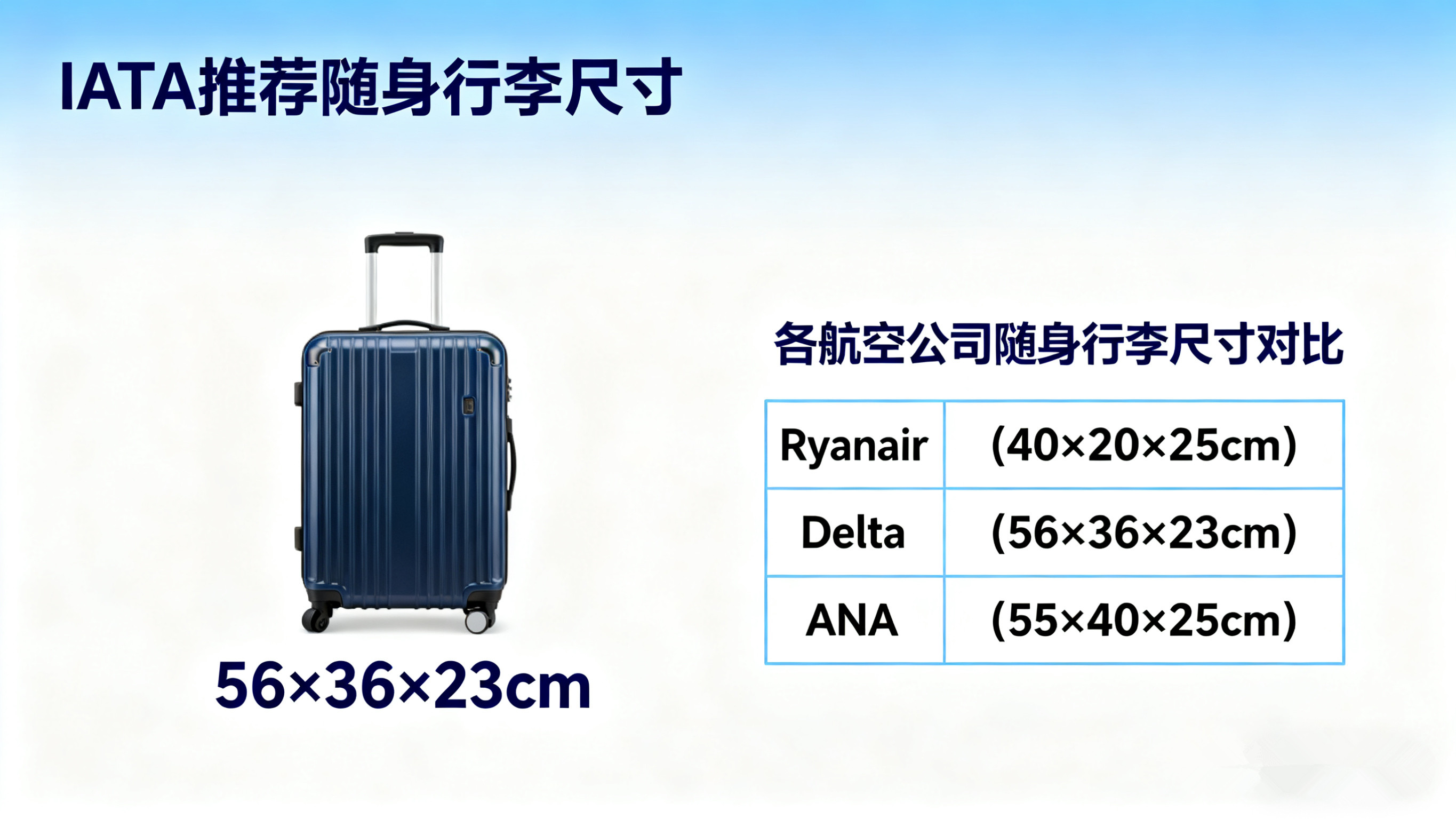
IATA recommends a maximum dimension of 56 × 36 × 23 cm (22 × 14 × 9 inches) for cabin baggage. However, airlines enforce nuanced variations:
- Strict Enforcers: Ryanair (40 × 20 × 25 cm) and Wizz Air (40 × 30 × 20 cm) mandate smaller sizes for budget efficiency.
- Mainstream Carriers: Delta, Lufthansa, and Emirates typically permit IATA’s 56×36×23cm but may restrict weight (7-12kg).
- Regional Differences: Asian airlines like ANA often allow 55×40×25cm, while U.S. carriers rarely weigh cabin bags.
Always verify your airline’s policy 48 hours pre-flight, as aircraft type (e.g., regional jets) can further limit space.
Carry-On Luggage Sizes: Scenarios and Recommendations
① 16-Inch Luggage (40–45L Capacity)
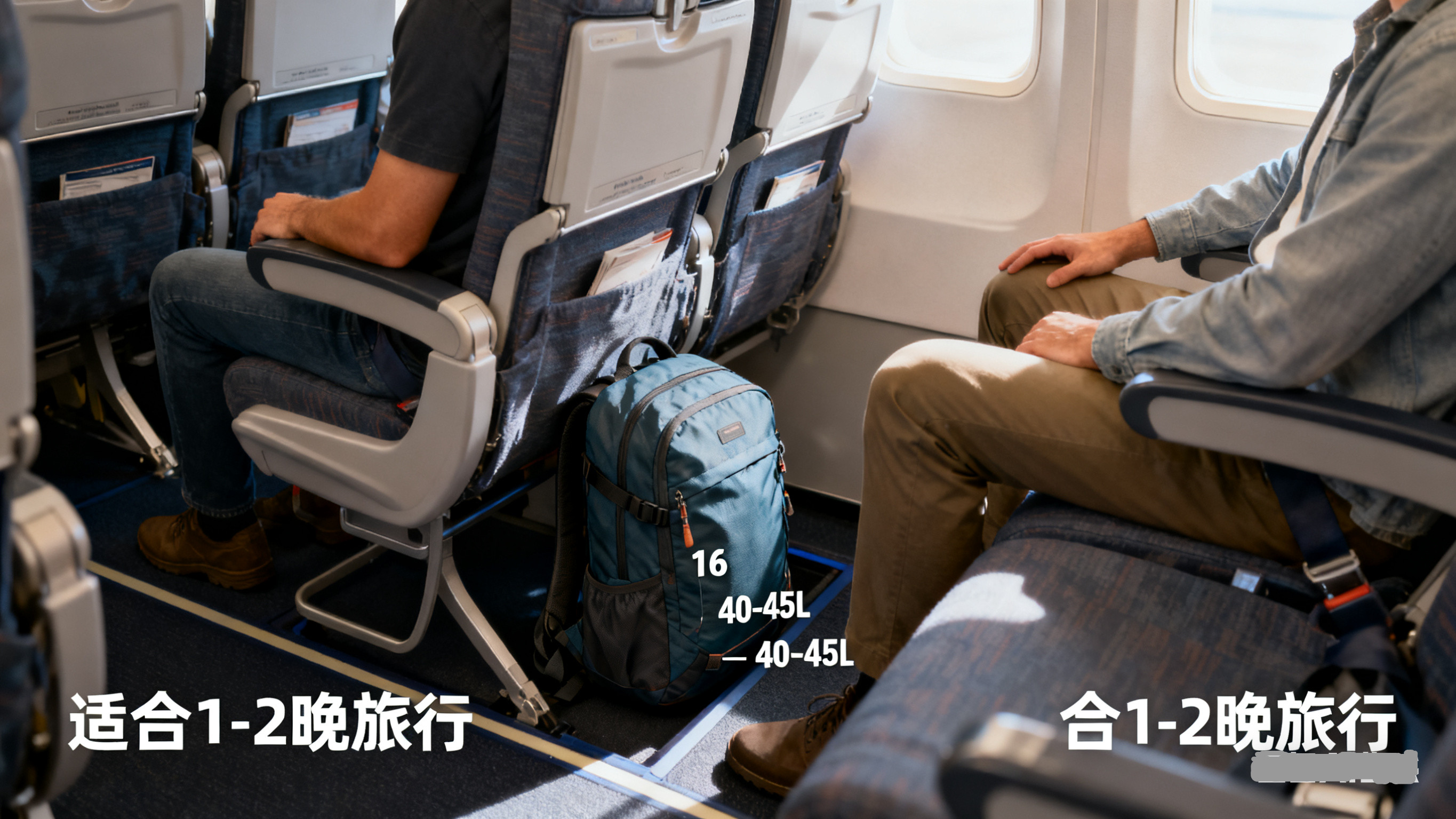
- Dimensions: ~40 × 25 × 20 cm
- Best For:
- Ultra-light travelers or 1–2 night trips
- Secondary "personal item" under seats (e.g., backpacks)
- Budget airlines with stringent size caps
- Limitations: Fits 2–3 outfits; unsuitable for bulky items.
② 18-Inch Luggage (45–50L Capacity)
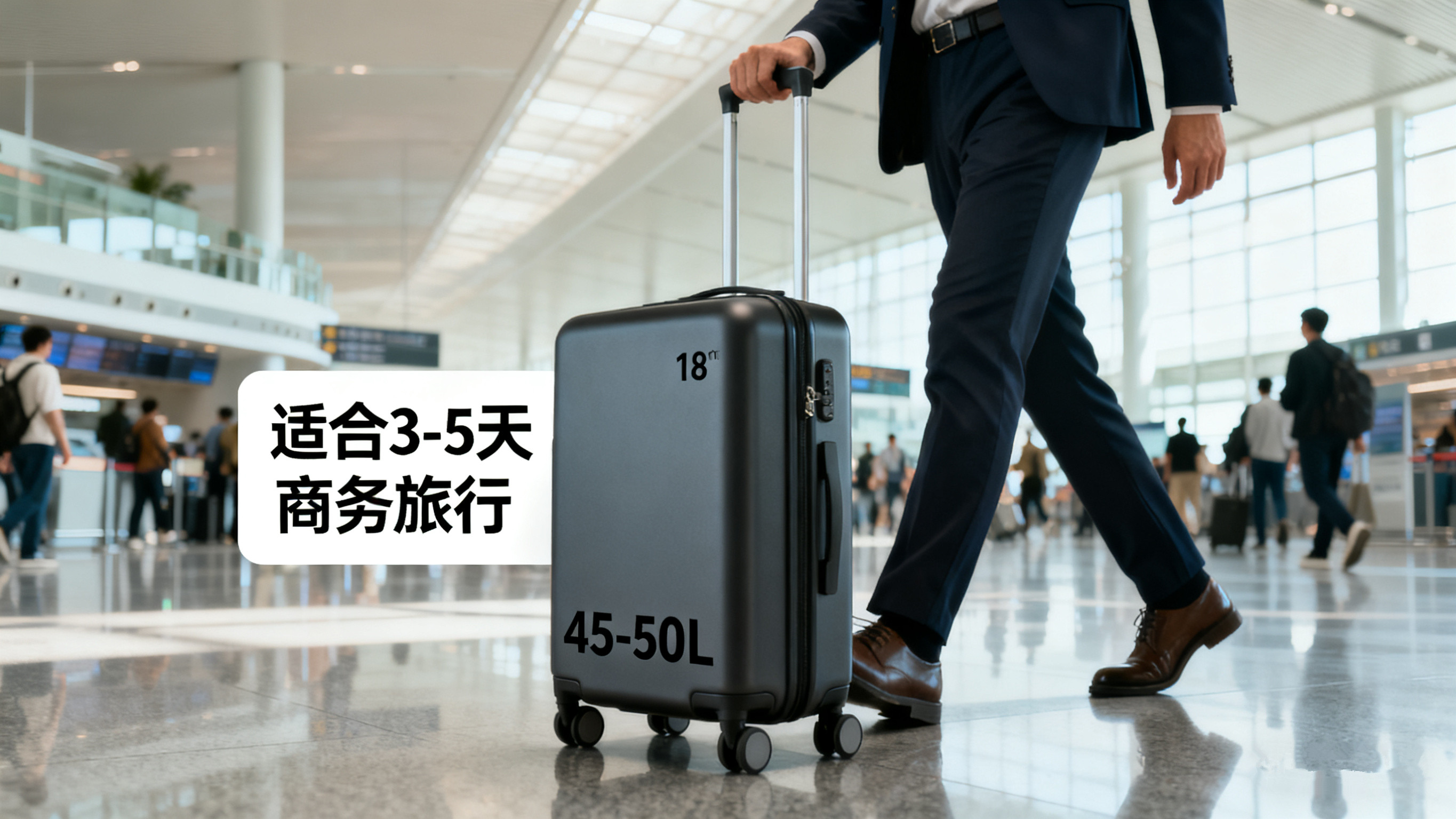
- Dimensions: ~45 × 30 × 20 cm
- Best For:
- 3–5 day business trips or weekend getaways
- Airlines like JetBlue or Southwest with generous policies
- Travelers prioritizing mobility in crowded airports
- Advantage: Balances capacity with near-universal cabin compliance.
③ 20-Inch Luggage (50–60L Capacity)
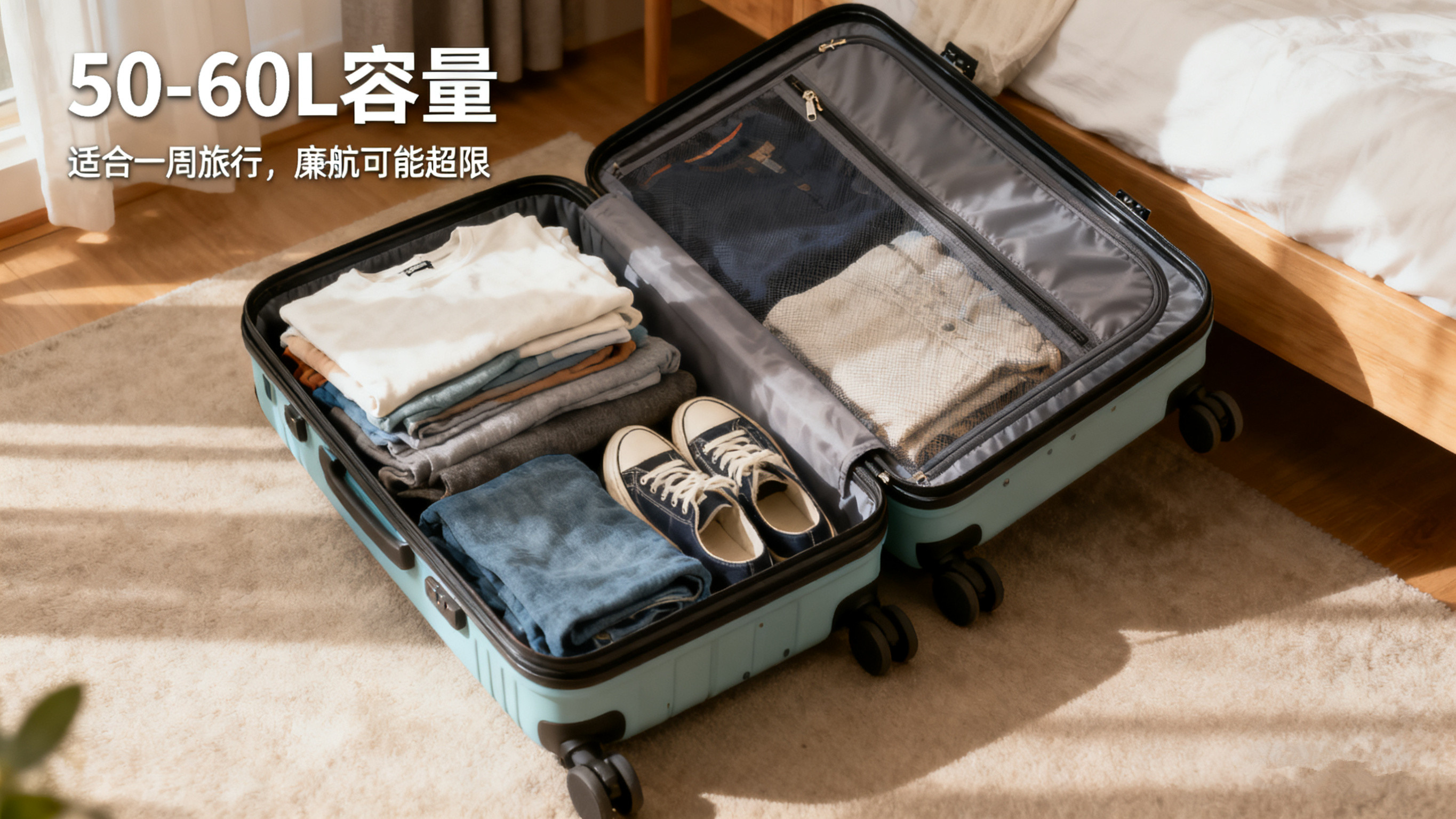
- Dimensions: 51–56 × 36 × 23 cm (IATA max)
- Best For:
- Week-long trips without British Airways, Qantas)
- Packing bulkier items like jackets or shoes
- Risk: May exceed limits on budget carriers; verify weight allowances.
Key Selection Criteria
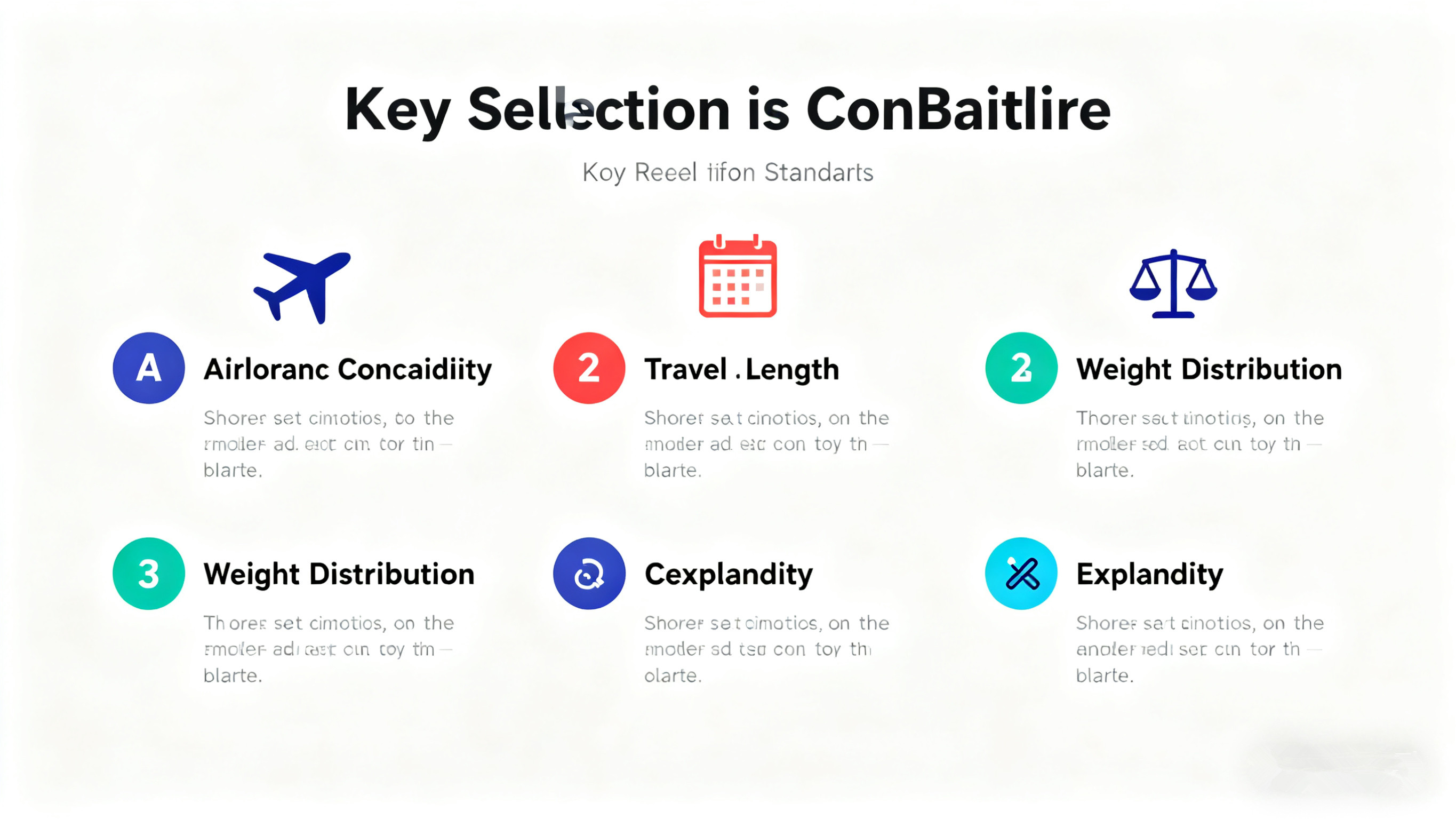
- Airline Compatibility: Cross-reference your most-flown carriers’ policies.
- Trip Duration: Match capacity to days traveled—e.g., 16" for ≤48 hours, 20" for 7+ days.
- Weight Distribution: Opt for lightweight materials (/nylon) to maximize packing without breaching weight limits.
- Expandability: Some 20" models offer zip-expanded sections for return trips—ideal but risky for size-critical flights.
Pro Tip: Use packing cubes in 18" or 20" luggage to compress clothing by 30%, freeing space for souvenirs.
Conclusion
Carry-on size optimization hinges on airline regulations, trip logistics, and personal packing habits minimalist travel, while 20" suits extended itineraries on tolerant carriers. For versatile compatibility, the 18" size offers a "goldilocks" solution. Prioritize verified IATA-aligned dimensions—not just advertised size labels—to ensure stress-free boarding. Invest in scalable luggage to adapt to evolving airline policies and travel demands.


